Deep Cleaning in a Home or Business: A Practical, Thorough Approach
Deep cleaning is more than a quick tidy-up or a surface-level refresh. It is a detailed, focused process that removes built-up dirt, grease, dust, and hidden grime from areas that often get overlooked in daily or weekly cleaning routines. Whether you are preparing a home for guests, refreshing a workplace, or simply creating a healthier indoor environment, deep cleaning can make a dramatic difference in how a space looks, feels, and functions.
Unlike routine cleaning, which usually maintains visible areas, deep cleaning targets neglected corners, hard-to-reach spots, and high-touch surfaces that collect bacteria and debris over time. This process can improve indoor air quality, reduce allergens, extend the life of furniture and fixtures, and make a space more comfortable overall. For many households and businesses, regular deep cleaning is not a luxury; it is an important part of property care and hygiene.
In this article, we will explore what deep cleaning involves, why it matters, which spaces benefit most, and how to approach the process efficiently. You will also find practical tips, room-by-room recommendations, and ways to decide whether to handle the job yourself or hire professionals. If you have been searching for reliable information on deep cleaning in everyday settings, this article is designed to help you understand the process clearly and confidently.
What Deep Cleaning Really Means
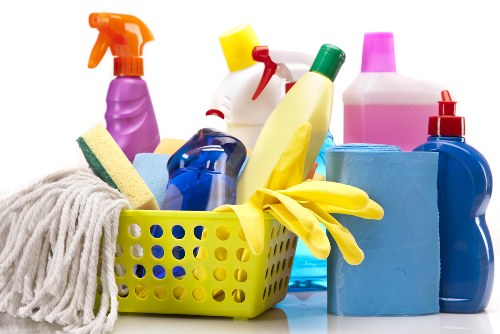
Deep cleaning is a more intensive cleaning method that goes beyond visible surfaces. It includes scrubbing, disinfecting, degreasing, dust removal, and detail work in areas that are often missed during standard cleaning. Think of it as a reset for your environment. While regular cleaning keeps things manageable, deep cleaning restores a space to a more sanitary and polished condition.
In a home, deep cleaning may involve baseboards, ceiling fans, behind appliances, inside cabinets, grout lines, vents, and under furniture. In offices or commercial environments, it can include sanitizing shared equipment, polishing high-touch points, cleaning break rooms, and addressing floor buildup in busy areas. The scope depends on the property, but the goal remains the same: remove accumulated dirt and create a cleaner, healthier space.
Deep cleaning is not just about appearance. It also supports hygiene, maintenance, and comfort. When dust, grease, and allergens are removed from hidden areas, the result is a fresher environment that can be easier to maintain over time. That is why deep cleaning is often scheduled seasonally, before major events, after renovations, or whenever a space begins to feel dull and neglected.
Why Deep Cleaning Matters for Homes and Businesses

One of the biggest reasons people invest in deep cleaning is health. Dust, mold spores, pet dander, food residue, and bacteria can build up in places that are not cleaned every day. Over time, these contaminants may affect allergies, asthma, and general comfort. A thorough cleaning routine helps reduce these triggers and supports a better indoor environment.
Deep cleaning also protects surfaces and fixtures. Grease on kitchen cabinets, soap scum in bathrooms, and dirt on flooring can gradually damage materials if left untreated. Regular attention can preserve the condition of countertops, tile, appliances, upholstery, and more. In other words, deep cleaning is not only about cleanliness; it is also a form of property maintenance.
For businesses, deep cleaning can influence productivity and presentation. Clients, employees, and visitors notice when a workplace is cared for properly. A clean environment can improve morale, reduce complaints, and create a more professional impression. Deep cleaning in commercial settings is especially important in waiting areas, restrooms, kitchens, and shared workspaces where hygiene expectations are high.
When Should Deep Cleaning Be Done?
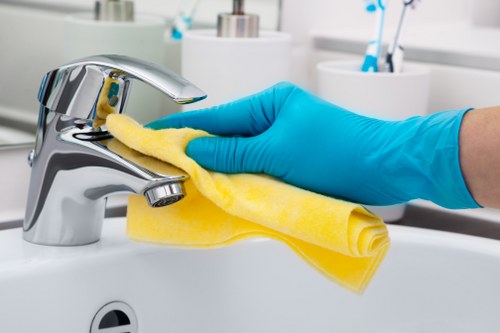
There is no single schedule that fits every household or business, but many spaces benefit from deep cleaning several times a year. A common approach is seasonal deep cleaning, which aligns with spring, summer, fall, and winter transitions. This makes it easier to address different needs, such as pollen buildup in spring or tracked-in dirt during rainy months.
Some situations call for deep cleaning sooner. For example, moving into a new home, moving out of a rental, recovering after illness, preparing for guests, or finishing a renovation all create strong reasons to clean more thoroughly. Businesses may also need deep cleaning after busy periods, special events, or before inspections.
H4: Common signs that it is time for deep cleaning
- Visible buildup on baseboards, vents, or corners
- Persistent odors in kitchens, bathrooms, or carpets
- Dust returning quickly after routine cleaning
- Grime on switches, handles, and other touchpoints
- Flooring or surfaces looking dull despite regular upkeep
H5: A useful rule of thumb If a space looks clean but still feels tired, sticky, stale, or dusty, it is probably ready for a deeper cleaning session.
Areas That Benefit Most from Deep Cleaning
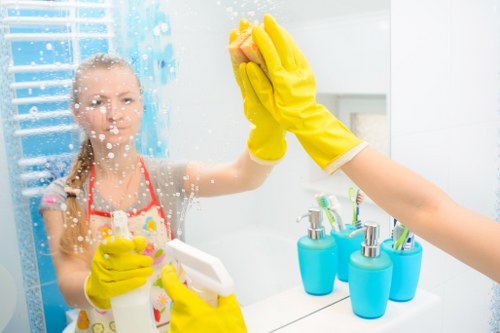
Some parts of a property collect more dirt than others, which makes them prime targets for deep cleaning. Kitchens and bathrooms are usually at the top of the list because moisture, food residue, soap buildup, and frequent use create ideal conditions for grime. These rooms need detail work far beyond a quick wipe-down.
Living areas, bedrooms, and hallways also benefit from occasional deep cleaning. Upholstery, carpets, blinds, ceiling fans, and under-bed spaces can hold layers of dust and allergens. Even if these spaces appear tidy, hidden buildup may still affect air quality and comfort. In commercial properties, conference rooms, reception areas, and employee kitchens often need the same level of attention.
Some of the most commonly neglected areas include:
- Behind and under appliances
- Inside drawers and cabinets
- Window tracks and sills
- Light fixtures and fan blades
- Grout, seals, and edges in bathrooms
- Door frames, handles, and switches
How to Plan an Efficient Deep Cleaning Session
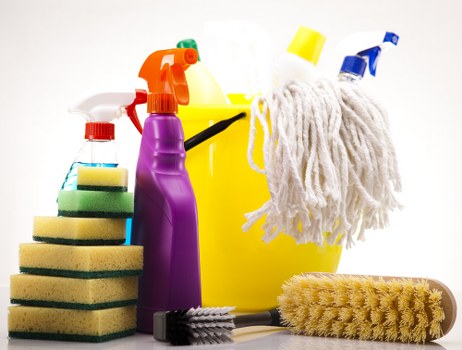
Good results start with good planning. Before beginning a deep cleaning session, it helps to create a checklist of tasks by room. This keeps the process organized and prevents important areas from being forgotten. Start with the spaces that need the most attention, then move into detail work so your effort is well spent.
It is also wise to gather the right supplies before you start. Common deep cleaning tools include microfiber cloths, scrub brushes, sponges, disinfectant, glass cleaner, degreaser, mop supplies, vacuum attachments, and gloves. Depending on the surfaces in your property, you may also need specialty products for wood, stainless steel, tile, stone, or fabric.
Here is a simple planning framework:
- Declutter the room so surfaces are easier to clean.
- Dust from top to bottom to avoid re-cleaning lower areas.
- Clean dry debris first, then move to wet cleaning tasks.
- Focus on hidden or high-touch areas.
- Finish with floors and final touch-ups.
Staying organized saves time and helps ensure that deep cleaning produces a noticeable, lasting improvement.
Kitchen Deep Cleaning: Where Grease and Grime Hide
The kitchen is one of the most important areas for deep cleaning because it combines food prep, moisture, and heavy daily use. Over time, grease can settle on cabinets, appliances, and walls, while crumbs and spills may gather in hidden corners. A standard wipe-down is useful, but it does not always remove the residue that builds up in seams, handles, and hard-to-reach edges.
Start with the appliances. Clean the outside and inside of the microwave, oven, refrigerator, and dishwasher if needed. Remove shelves and drawers where possible, and wipe them thoroughly. Check the stove area for grease splatter, and make sure the backsplash, vent hood, and knobs are cleaned with an appropriate product. For many homes, this part of deep cleaning in the kitchen makes the most visible difference.
Do not forget the smaller details. Cabinet tops, toe kicks, sink drains, trash bins, and light switches can all collect residue. Floors should be swept, vacuumed, and mopped carefully, especially along edges where crumbs and dirt often settle. If the kitchen includes grout or tile, a scrubbing brush may be needed to remove discoloration and restore brightness.
Useful kitchen deep cleaning tasks include:
- Degreasing cabinet fronts
- Cleaning inside the refrigerator
- Scrubbing the sink and faucet
- Wiping appliance handles and panels
- Cleaning behind movable appliances
Bathroom Deep Cleaning: Hygiene, Shine, and Freshness
Bathrooms demand detailed cleaning because they are exposed to moisture, soap, toothpaste, skin oils, and frequent use. Over time, buildup can appear on tile, glass, sinks, toilets, and fixtures. Deep cleaning in this space helps remove stains, restore shine, and reduce lingering odors.
Begin with the shower or tub. Remove soap scum, mildew, and hard water buildup from glass doors, tile walls, fixtures, and drains. Then clean the toilet thoroughly, including around the base, behind the bowl, and beneath the seat hinges. The sink, vanity, mirrors, and counters should also be disinfected and polished to remove spots and residue.
Flooring deserves special attention in bathrooms because moisture can trap dirt in grout and corners. Baseboards, vents, door handles, and switches should be wiped as part of the process. If needed, use a safe mold- or mildew-fighting product for damp-prone areas. A well-executed bathroom deep cleaning can make the room feel dramatically fresher and more comfortable.
Living Room and Bedroom Deep Cleaning
Living rooms and bedrooms often seem cleaner than kitchens and bathrooms, but these spaces still accumulate dust, allergens, and clutter. Upholstered furniture, curtains, carpets, and bedding can trap particles that affect air quality and overall freshness. Deep cleaning helps restore a sense of calm and cleanliness in these relaxing spaces.
In living areas, focus on dusting shelves, décor, electronics, baseboards, and ceiling fans. Vacuum sofas and chairs with appropriate attachments, and move furniture when possible to clean hidden areas underneath. Rugs and carpets may benefit from shampooing or steam cleaning if they are heavily used or visibly soiled. This kind of deep cleaning can make a room feel noticeably brighter.
Bedrooms benefit from fresh bedding, mattress cleaning, closet organization, and attention to areas that often go unnoticed. Vacuum under the bed, dust headboards, and clean lamps, mirrors, and blinds. If possible, wash pillows, duvet covers, and curtains according to care instructions. The result is a more restful space that feels cleaner from top to bottom.
Helpful bedroom and living room tasks:
- Vacuum upholstery and carpets
- Dust vents, fans, and shelves
- Clean windows and blinds
- Rotate or refresh bedding
- Move furniture for hidden dust removal
Office and Commercial Deep Cleaning
Workspaces also need deep cleaning, especially when they have shared surfaces, steady foot traffic, and multiple users. Desks, conference tables, break rooms, restrooms, and common areas all accumulate fingerprints, dust, crumbs, and germs. A regular janitorial routine helps day-to-day, but deep cleaning ensures the workplace remains hygienic and presentable.
Commercial deep cleaning often includes sanitizing doorknobs, elevator buttons, reception counters, shared keyboards, and other high-touch points. Floors should be thoroughly cleaned based on their material, whether carpet, tile, vinyl, or hardwood. Break rooms and kitchenettes need special care because food residue can attract odors and pests if not cleaned properly.
For businesses, timing matters. Many choose after-hours or weekend scheduling to avoid disruption. Deep cleaning can also be tailored around seasonal needs, special events, or compliance expectations. When done consistently, deep cleaning in offices and commercial spaces supports both health and professional image.
DIY Deep Cleaning vs. Hiring Professionals
Some people prefer to handle deep cleaning themselves, while others choose a professional service. Both options can be effective, but the best choice depends on your schedule, budget, and the condition of the space. DIY deep cleaning offers flexibility and may work well for smaller homes or routine upkeep. However, it can take a lot of time and energy, especially when the property is large or heavily used.
Professional cleaning services bring experience, tools, and efficient techniques. They can often complete a deep cleaning more quickly and with greater consistency. This is especially helpful for move-in/move-out situations, post-renovation cleanup, or spaces that have not been cleaned thoroughly in a long time. Professionals may also use specialized equipment for carpets, hard floors, or difficult buildup.
When deciding between DIY and professional help, consider the following:
- How large is the property?
- How much buildup needs to be removed?
- Do you have enough time and energy?
- Are any surfaces delicate or specialized?
- Would professional equipment improve the result?
For many property owners, a mix of both works best: routine maintenance at home or in-house, plus scheduled professional deep cleaning when needed.
Tools and Products That Make Deep Cleaning Easier
The right tools can make a major difference in how efficiently you complete deep cleaning tasks. Basic supplies like microfiber cloths, scrub brushes, a reliable vacuum, and all-purpose cleaner are essential. But depending on the surfaces in your space, it may help to add more specialized products to your toolkit.
For example, a grout brush can help restore tile joints, while a steam cleaner may be useful for carpets or upholstery. Degreasers are valuable in kitchens, while disinfectants are important for bathrooms and commercial touchpoints. Glass cleaner, furniture polish, and floor-safe solutions can also make the job easier and more effective.
Keep safety in mind when selecting products. Always follow label instructions, ensure good ventilation, and test new products on a small area before using them broadly. Deep cleaning works best when the tools match the surface, the soil level, and the task at hand.
How Deep Cleaning Improves Air Quality and Comfort
One benefit of deep cleaning that people often underestimate is its impact on air quality. Dust, pet dander, pollen, and other particles settle on surfaces and then circulate through the air when disturbed. By removing these materials from furniture, vents, floors, and fabrics, you can create a fresher indoor environment.
This matters for comfort as well as health. A clean space feels lighter, more open, and more enjoyable to spend time in. When deep cleaning reduces odors, dust, and buildup, it can also improve how a room smells and how easily it is to maintain afterward. Many people notice fewer sneezing issues, less visible dust, and an overall sense of renewal after a thorough session.
Regular deep cleaning is especially helpful in households with pets, children, or allergy-sensitive occupants. In offices, it supports a more pleasant environment for employees and visitors alike. Even one well-executed cleaning session can create a noticeable difference in atmosphere and comfort.
Practical Deep Cleaning Tips for Better Results
To get the most from your deep cleaning efforts, work systematically and avoid rushing through the process. Start high and move low so dust and debris fall onto areas that will be cleaned later. Give products enough contact time to work, especially on grease, soap scum, and disinfecting tasks. Rushing can lead to missed spots and less satisfying results.
Another important tip is to clean in sections. Completing one room at a time helps prevent overwhelm and gives you a visible sense of progress. It also makes it easier to stay focused and ensure that detail work is not skipped. If possible, play music, set a timer, or divide work across two days to make the job more manageable.
Finally, remember that deep cleaning should support your routine, not replace it. The best results come from combining regular maintenance with periodic detailed cleaning. When you keep up with smaller tasks, each deep cleaning session becomes easier and more effective.
How Often Should You Deep Clean?
The ideal frequency depends on the size of the property, the number of occupants, pets, traffic levels, and overall lifestyle. In many homes, a full deep cleaning every three to six months works well. Busy households, homes with pets, and spaces with allergy concerns may benefit from more frequent attention.
Businesses may need deeper service on a monthly, quarterly, or custom schedule depending on use and industry. Restaurants, healthcare-adjacent offices, retail spaces, and shared work environments often require more frequent cleaning than low-traffic offices. A flexible schedule ensures the space stays consistently presentable and hygienic.
Rather than waiting until dirt becomes obvious, plan ahead. Scheduled deep cleaning helps prevent buildup from becoming overwhelming and keeps your space in better condition throughout the year.
Call to action: If your home or business is ready for a serious refresh, book your service now and make deep cleaning part of your maintenance plan. Contact us today to take the next step toward a cleaner, healthier space.
Final Thoughts on Deep Cleaning
Deep cleaning is one of the most effective ways to improve the appearance, hygiene, and longevity of any property. From kitchens and bathrooms to offices and bedrooms, every space benefits when dirt, dust, and hidden buildup are removed with care. It is a practical investment in comfort, health, and maintenance.
Whether you choose to handle the job yourself or hire professionals, the key is consistency. A thoughtful deep cleaning routine can transform a space that feels tired into one that feels fresh, organized, and welcoming. It also helps preserve surfaces, reduce allergens, and support a better everyday experience for everyone who uses the space.
If you are ready to elevate your environment, do not wait until the mess becomes overwhelming. Plan your next deep cleaning in advance, stay organized, and give your home or business the detailed attention it deserves.