Sofa Cleaning in Homes: A Practical, Stylish, and Hygienic Approach
Why Sofa Cleaning Matters More Than You Think
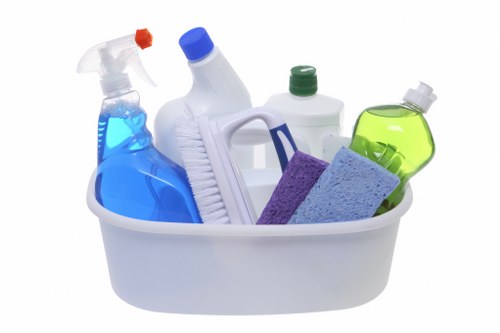
Sofa cleaning is one of the most overlooked parts of home maintenance, yet it has a major impact on comfort, appearance, and indoor air quality. Your sofa is often the centerpiece of the living room, which means it collects daily dust, crumbs, pet hair, sweat, body oils, and stains from accidental spills. Over time, those small issues add up and can make even a beautiful couch look tired and feel less inviting.
Regular sofa cleaning does more than improve the look of your furniture. It also helps reduce allergens, remove odors, and extend the lifespan of upholstery fabric. Whether you have a fabric sectional, a leather recliner, or a delicate velvet piece, the right sofa cleaning routine can preserve both beauty and function. In busy households, this becomes even more important because sofas are used for relaxing, eating, working, and sometimes even sleeping.
Many people assume that vacuuming alone is enough, but a proper sofa cleaning routine involves more than surface dust removal. Different materials need different methods, and using the wrong product can cause fading, shrinkage, or damage. That is why understanding the basics of upholstery care is essential for every homeowner who wants a fresh, healthy, and attractive living space.
Understanding Different Sofa Materials
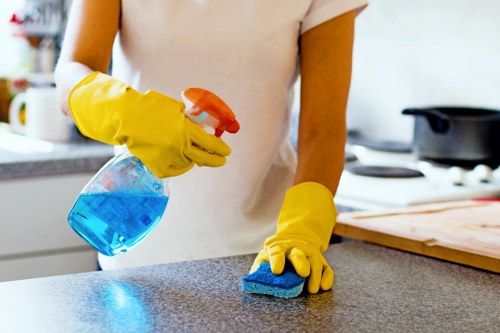
One of the first steps in effective sofa cleaning is identifying the upholstery material. Fabric sofas, leather sofas, microfiber, suede, linen, and synthetic blends all react differently to water, heat, and cleaning solutions. A treatment that works well on one material may leave another stained or damaged. This is why checking the manufacturer’s care label is always a smart move before starting any cleaning method.
Fabric upholstery tends to trap dust and liquids more easily than leather, which means it often needs more frequent deep sofa cleaning. Microfiber is popular because it resists some stains, but it can still absorb oils and become matted if not cleaned correctly. Leather, on the other hand, needs gentle maintenance and conditioning to avoid cracking and dryness. By knowing the type of material you are working with, you can choose the right sofa cleaning approach and avoid costly mistakes.
Some common upholstery care codes include:
- W – Clean with water-based solutions
- S – Use solvent-based cleaning only
- WS – Water or solvent-based cleaning is acceptable
- X – Vacuum only; professional cleaning may be required
Understanding these labels can save time and prevent accidental damage. If the label is missing or unclear, it is safest to test any sofa cleaning product on a hidden spot first.
Daily Habits That Support Sofa Cleaning
Keeping a sofa fresh does not always require major effort. In fact, a few simple daily habits can reduce the need for intensive sofa cleaning later. Start by discouraging eating messy foods on the couch and using throws or covers in homes with pets or young children. These small changes can dramatically reduce the amount of dirt and spills your sofa absorbs.
Another helpful habit is regular vacuuming. Using a vacuum with an upholstery attachment allows you to remove crumbs, dust, and pet hair from cushions, seams, and hidden corners. This kind of maintenance supports long-term sofa cleaning by preventing grime from settling deep into the fabric. It also keeps the sofa looking neat between deep-cleaning sessions.
Rotating cushions is another easy but effective practice. Cushions wear unevenly when people sit in the same spots every day, and regular rotation helps maintain shape and reduce visible fading. Combined with quick spot treatment and gentle brushing, these habits make sofa cleaning much easier and more effective over time.
How to Remove Common Sofa Stains
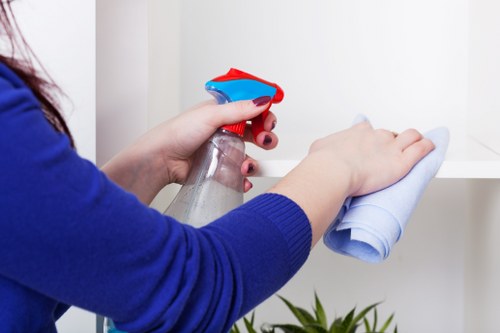
Spills happen, but quick action can make a huge difference in sofa cleaning results. The key is to blot, not rub. Rubbing pushes the liquid deeper into the fibers and spreads the stain. Instead, use a clean microfiber cloth or paper towel to absorb as much of the spill as possible. After that, choose the right treatment based on the stain type.
For food and drink stains: Mix a mild solution of water and gentle soap, then lightly dab the area. Avoid soaking the upholstery. Too much moisture can lead to water marks or mildew, which complicates sofa cleaning later.
For grease stains: Sprinkle a small amount of baking soda or cornstarch over the spot and let it sit for several minutes before vacuuming. This helps lift oils from the surface. Afterward, use a mild upholstery cleaner if needed. For many households, this method is a practical first step in everyday sofa cleaning.
What to Do for Tougher Marks
Some stains require more patience. Ink, wine, pet accidents, and makeup may need specialized products. Always test a cleaner in a hidden area and follow the fabric’s care instructions carefully. When in doubt, professional sofa cleaning may be the safest way to avoid permanent damage.
- Act quickly to prevent stains from setting
- Use minimal liquid to avoid soaking
- Blot from the outside inward to contain the stain
- Dry the area thoroughly after treatment
Deep Sofa Cleaning Methods That Work
Deep sofa cleaning is the next level beyond vacuuming and spot treatment. It is designed to remove embedded dirt, odors, and buildup from the cushions and frame area. Depending on the upholstery material, you may use steam cleaning, dry cleaning, foam cleaning, or shampoo-based cleaning. Each method has strengths and limitations, so the best choice depends on the sofa’s fabric and condition.
Steam cleaning is popular for many fabric sofas because heat helps loosen grime and sanitize the surface. However, it should never be used on materials that are sensitive to moisture or heat. Dry cleaning is often better for delicate upholstery because it uses less water and can protect the fabric structure. Foam cleaning sits somewhere in between and is often favored for routine sofa cleaning when a full wet clean is not ideal.
Professional sofa cleaning services often use equipment that extracts dirt more effectively than household tools. This can be especially helpful if the sofa has deep odors, old stains, or years of accumulated dust. While DIY methods are useful for maintenance, occasional professional sofa cleaning can restore a sofa’s appearance in a way that simple home cleaning may not match.
Signs Your Sofa Needs Deep Cleaning
Watch for these indicators:
- Visible stains or discoloration
- Persistent odors
- Dust clouds when cushions are moved
- Pet hair that keeps returning
- Allergy symptoms that worsen indoors
These signs often mean that surface cleaning is no longer enough and a deeper sofa cleaning treatment is due.
Leather Sofa Cleaning and Care
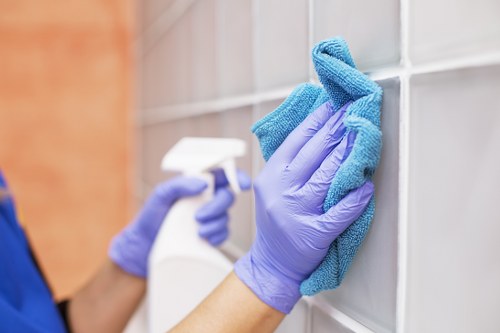
Leather furniture adds a polished, elegant feel to any room, but it requires a different sofa cleaning routine than fabric upholstery. Because leather is a natural material, it can dry out, crack, or lose its finish if cleaned too aggressively. That is why using a soft cloth, mild cleaner, and proper conditioner is essential for long-term care.
Start leather sofa cleaning by removing dust with a dry microfiber cloth. Then use a slightly damp cloth and a leather-safe cleaner to wipe the surface gently. Avoid harsh detergents, ammonia, or abrasive pads, as these can strip the protective coating. Once the sofa is clean, apply a leather conditioner to keep the material supple and hydrated. This step is often overlooked, but it is vital for preserving the look and feel of the furniture.
Leather sofas benefit from regular maintenance because dirt tends to settle into seams and folds. Wiping the surface weekly and conditioning every few months can prevent wear and extend durability. For households with children or pets, more frequent sofa cleaning may be necessary to manage spills, body oils, and fingerprints.
Important Leather Care Tips
- Keep leather out of direct sunlight where possible
- Never use too much water during cleaning
- Condition regularly to prevent cracking
- Blot spills immediately and gently
Why Professional Sofa Cleaning Can Be Worth It
Even with a strong home routine, professional sofa cleaning can offer advantages that are difficult to match with standard household tools. Trained technicians can assess fabric type, stain severity, and odor sources more accurately, then apply the right combination of cleaning techniques. This lowers the risk of damage and improves overall results.
Professional sofa cleaning is especially valuable for large sectionals, antique pieces, allergy-sensitive homes, and sofas with stubborn stains. It can also be useful after a move, renovation, or seasonal deep clean. Because professionals have stronger extraction equipment, they can often remove more trapped dirt and moisture than a consumer vacuum or handheld cleaner. That means faster drying times and a fresher finish.
Another reason people choose professional sofa cleaning is convenience. It saves time and reduces guesswork, especially when dealing with delicate fabrics or multiple upholstery items. If your goal is to keep your living room looking clean and welcoming year-round, scheduling expert sofa cleaning at regular intervals can be a smart investment.
Benefits of expert service include:
- Better stain removal on difficult marks
- Safer treatment for fragile upholstery
- Improved odor elimination
- Longer furniture lifespan
- Greater comfort and cleanliness
How Often Should Sofa Cleaning Be Done?
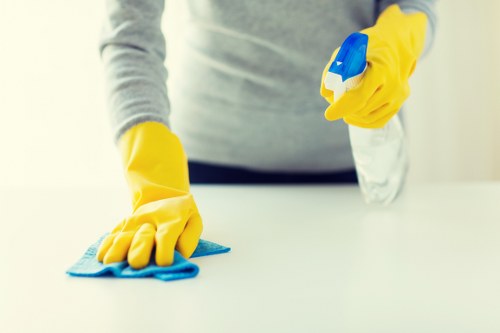
The ideal sofa cleaning schedule depends on how much the sofa is used, who lives in the home, and what type of upholstery you have. In a standard household, vacuuming once a week and performing a deeper clean every few months is a good baseline. Homes with pets, children, or allergy concerns may require more frequent sofa cleaning to keep the furniture hygienic and fresh.
For lightly used formal seating, deep sofa cleaning twice a year may be enough. For the main family couch, quarterly cleaning is often more practical. If spills occur regularly or if the sofa absorbs cooking odors, smoke, or pet smells, more frequent attention is helpful. The point is not to clean on a rigid schedule but to respond to the sofa’s condition and usage patterns.
Recommended frequency by situation:
- Weekly: Vacuum and remove surface dust
- Monthly: Spot clean stains and inspect seams
- Every 3-6 months: Deep sofa cleaning
- As needed: After spills, pet accidents, or heavy use
By following a sensible routine, you can protect both appearance and hygiene without overworking the fabric.
Eco-Friendly Sofa Cleaning Options
Many homeowners are now looking for greener ways to care for their homes, and sofa cleaning is no exception. Eco-friendly methods often use biodegradable solutions, low-water techniques, and non-toxic ingredients that are safer for children, pets, and sensitive individuals. These options can be effective while also reducing chemical exposure inside the home.
Simple household ingredients such as baking soda, diluted vinegar, and mild castile soap are sometimes used in DIY sofa cleaning. Baking soda is especially helpful for odor control, while a gentle soap solution can handle light dirt and smudges. However, natural does not always mean safe for every fabric, so testing is still important. It is wise to use environmentally friendly products that are also designed specifically for upholstery care.
Choosing greener sofa cleaning products can also support indoor air quality. Harsh fumes from strong cleaners may linger long after the job is done, whereas low-odor alternatives are often more pleasant to use. For families wanting a healthier cleaning routine, eco-conscious sofa cleaning is a practical and appealing option.
Common Mistakes to Avoid During Sofa Cleaning
Even well-intentioned cleaning can go wrong if the wrong method is used. One of the biggest mistakes in sofa cleaning is applying too much water. Excess moisture can seep into cushions and padding, causing mold, mildew, or lingering smells. Another common mistake is using a cleaner without first checking the care label, which can lead to discoloration or fiber damage.
People also sometimes scrub stains too hard, thinking that more pressure will remove the mark faster. In reality, aggressive scrubbing can fray fibers and spread the stain further. A better approach is gentle blotting, repeated light treatment, and patient drying. Skipping the drying stage is another issue, because a sofa that remains damp after cleaning is more likely to develop odors and mold.
To avoid these problems, always follow a careful routine. Use the right tools, respect the fabric type, and allow enough airflow for drying. Smart sofa cleaning is not about speed; it is about careful, consistent care that protects your furniture over time.
Building a Long-Term Sofa Care Routine
A strong sofa cleaning routine is part of a larger home care strategy. By combining regular vacuuming, prompt spill management, periodic deep cleaning, and occasional professional support, you can keep your sofa looking and feeling better for much longer. This not only saves money on replacement furniture but also improves the comfort and atmosphere of your home.
Think of sofa cleaning as preventive maintenance rather than a one-time task. Small efforts, done regularly, are far more effective than waiting until the sofa looks obviously dirty. When you build habits around care and upkeep, your furniture stays more inviting, your room feels fresher, and guests notice the difference immediately.
Quick long-term checklist:
- Vacuum weekly
- Blot spills immediately
- Rotate cushions often
- Use fabric-safe cleaners only
- Schedule deep sofa cleaning when needed
If your sofa is due for attention, do not wait until stains become permanent or odors become difficult to remove. Contact us today or book your service now to keep your furniture fresh, comfortable, and ready for everyday living.