Professional Oven Cleaning in Homes and Businesses: A Complete, Practical Approach
Keeping your cooking appliance spotless is about more than appearances. Oven cleaning improves performance, reduces smoke and odors, and helps your kitchen feel fresher every day. Whether you cook occasionally or use your oven constantly, regular oven cleaning can prevent grease build-up, stubborn carbon deposits, and lingering smells that affect every meal. In busy households, this task is often pushed aside until the grime becomes difficult to remove, which is why a smart cleaning routine matters.
Many people search for oven cleaning in their area when they realize that home methods are no longer enough. If baked-on fat, burnt food, or dark stains have taken over, professional oven cleaning can restore the appliance without the stress of endless scrubbing. It is also a practical choice for landlords, tenants, restaurants, and property managers who need reliable results and a hygienic finish.
In this article, we look at why oven cleaning matters, what methods work best, how often to clean, and the benefits of choosing expert support. You will also find useful tips for maintaining a cleaner oven between deep cleans so your kitchen stays in better condition for longer.
Why Oven Cleaning Matters for Every Kitchen
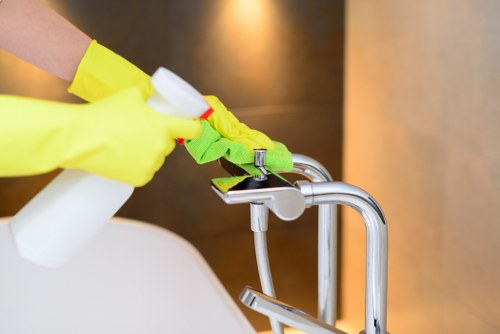
Oven cleaning is one of the most important kitchen maintenance tasks because the appliance is exposed to high heat, grease splatter, spills, and food residue every time it is used. Over time, these residues bake onto the interior surfaces and become harder to remove. The result is an oven that may smoke, smell unpleasant, or cook unevenly.
A clean oven is not just about looks. When grime builds up inside the cavity, it can interfere with heat circulation and cause hot spots or inconsistent cooking. That means roasts, pastries, and casseroles may not turn out as expected. Regular oven cleaning supports better temperature distribution and can help your food cook more evenly.
There is also a hygiene benefit. Old grease and food particles can attract bacteria, mold, and pests if they are left unattended. While the oven’s heat may reduce some risks, the surrounding seals, racks, trays, and door glass still need care. A thorough approach to oven cleaning helps maintain a safer and more pleasant cooking environment.
Signs Your Oven Needs Attention

If you are unsure whether it is time for oven cleaning, there are several clear warning signs to watch for. These indicators often appear gradually, so they are easy to ignore until the appliance becomes difficult to use.
Common signs include:
- Visible grease or blackened residue on the oven walls
- Smoke coming from the oven while cooking
- Strong burnt smells after preheating
- Food cooking unevenly or taking longer than expected
- Sticky oven racks or trays
- Cloudy or stained glass on the oven door
- Charred build-up around the fan, corners, or heating elements
When these symptoms appear, routine wiping is no longer enough. A deeper oven cleaning process is usually required to restore the appliance properly. Acting early can also make the job easier because fresh deposits are less stubborn than layers that have hardened over months.
For homeowners, tenants, and businesses alike, delaying oven cleaning may lead to stronger odors and a less efficient appliance. In commercial settings, this can also affect service quality and kitchen safety.
Popular Oven Cleaning Methods Explained

There are several ways to approach oven cleaning, and the best method depends on how dirty the appliance is, what materials it contains, and how much time you have. Some people prefer home remedies, while others choose professional oven cleaning for a more thorough finish.
Manual cleaning involves applying a suitable cleaning solution, letting it break down grease, and then wiping away residue with cloths, sponges, or non-scratch tools. This method works well for light to moderate build-up and can be effective when done regularly.
Self-cleaning ovens use intense heat to burn off residue. While this feature sounds convenient, it is not always the best option for heavily soiled ovens or older appliances. It can also create strong odors and leave behind ash that still requires manual wiping. Some homeowners prefer professional oven cleaning instead of relying on self-clean cycles because they want a more controlled process.
Other common methods include:
- Steam cleaning to loosen grease and reduce scraping
- Eco-friendly solutions made from non-caustic ingredients
- Dip-tank cleaning for removable parts such as racks and trays
- Industrial degreasers used by trained professionals
Each method has its advantages. The right choice depends on the level of dirt and the condition of the appliance. In many cases, a professional oven cleaning service can combine techniques to achieve better results than a single DIY approach.
The Benefits of Professional Oven Cleaning

Although some people prefer to handle oven cleaning themselves, professional services offer several valuable advantages. One of the biggest benefits is time savings. Instead of spending hours scrubbing stubborn residue, you can let experienced cleaners handle the hard work quickly and efficiently.
Another major benefit is quality. Professional oven cleaning usually produces a more detailed finish because specialists know how to treat different surfaces, remove hidden build-up, and protect delicate components. They can clean racks, trays, glass panels, fans, and corners that are often missed during basic home cleaning.
There is also the convenience factor. If you have a busy schedule, a large household, or a commercial kitchen, keeping the oven in top condition can be challenging. Professional oven cleaning removes the stress and helps you maintain a cleaner environment with less effort.
Additional benefits include:
- Reduced smoke and cooking odors
- Improved appliance appearance
- Better energy efficiency in many cases
- Longer oven lifespan through regular maintenance
- A safer cooking space with less grease accumulation
For landlords and property managers, a professionally cleaned oven can also support tenancy turnover, end-of-lease expectations, and a stronger first impression for new occupants. In hospitality settings, oven cleaning is part of maintaining consistent service standards and kitchen hygiene.
DIY Oven Cleaning vs Professional Service

When deciding between DIY and professional oven cleaning, it helps to weigh the pros and cons of each option. A do-it-yourself clean may be suitable if the oven has only light residue and you already maintain it regularly. However, once grease has hardened or carbon has formed, home methods can become time-consuming and less effective.
DIY oven cleaning often involves baking soda, vinegar, dish soap, microfiber cloths, and a lot of patience. These ingredients can help with minor dirt, but they may struggle against thick, baked-on grime. There is also a risk of using harsh products incorrectly, which could damage the interior finish or leave behind chemical residue.
Professional oven cleaning uses specialized products, tools, and methods to achieve deeper results. Cleaners know how to break down grease safely and handle removable parts separately. They also understand how to protect seals, fans, and heating elements during the process.
Consider DIY if:
- The oven is lightly soiled
- You clean it often
- You have time and the right supplies
- You are comfortable doing detailed scrubbing
Consider professional oven cleaning if:
- The oven has heavy grease or carbon build-up
- The appliance smells strongly when in use
- You need a deep clean before an inspection, move-out, or event
- You want a faster, more thorough result
In many cases, a mix of both approaches works best. Regular light cleaning at home combined with periodic professional oven cleaning can keep the appliance in excellent condition year-round.
How Often Should You Clean Your Oven?
There is no single rule that fits every household or business, but consistent oven cleaning is important. The ideal schedule depends on how often you cook and what types of food you prepare. Homes that bake frequently, roast fatty meats, or cook at high temperatures may need cleaning more often than kitchens used only occasionally.
A good general rule is to wipe spills after each use and perform a deeper oven cleaning every few months. For households with light use, two or three deep cleans per year may be enough. For busy families, commercial kitchens, or rental properties, monthly or more frequent attention may be necessary.
Here is a simple scheduling framework:
Suggested cleaning frequency
- After every use: wipe small spills once the oven has cooled
- Monthly: check racks, glass, and visible build-up
- Every 2-3 months: carry out a deeper oven cleaning
- As needed: book professional oven cleaning when grease or odor becomes noticeable
Staying consistent makes each session easier. When oven cleaning becomes part of your regular maintenance routine, you avoid the heavy work that comes with neglected grime. This is especially helpful for anyone who wants a more efficient and stress-free kitchen.
What Happens During a Professional Oven Cleaning Service?
A proper professional oven cleaning service follows a structured process designed to remove dirt thoroughly while protecting the appliance. While exact steps may vary by provider, the general workflow is similar.
First, the cleaner inspects the oven to assess the level of build-up and identify any delicate parts. Removable items such as racks, trays, and side panels are often taken out and treated separately. This allows better access to the interior and ensures each component is cleaned properly.
Next, suitable cleaning solutions are applied to break down grease and residue. These may be eco-friendly, low-odor, or heavy-duty depending on the condition of the oven. Once the grime softens, the cleaner removes it carefully using professional tools and non-scratch techniques.
Typical steps may include:
- Inspection and preparation
- Removal of racks, trays, and loose parts
- Application of cleaning solution
- Degreasing and residue removal
- Detailing of door glass, seals, and corners
- Reassembly and final polish
The result is usually a cleaner, fresher, and more presentable oven. In addition, the cleaner may offer practical advice for maintenance so you can keep the appliance in better shape between visits. If you want to reduce kitchen stress and improve hygiene, professional oven cleaning is a strong option.
Safety Tips for Oven Cleaning at Home
If you plan to handle oven cleaning yourself, safety should always come first. Even simple cleaning tasks can become risky if the appliance is hot, if harsh chemicals are used incorrectly, or if ventilation is poor.
Always switch the oven off and let it cool completely before cleaning. Remove racks carefully and wear gloves if you are using cleaning products. Open windows or switch on extraction fans to improve airflow. Never mix chemicals unless the label specifically says it is safe to do so.
It is also wise to avoid abrasive tools that can scratch the enamel or glass. A soft cloth, non-scratch pad, or silicone scraper is usually safer than steel wool or sharp metal tools. When in doubt, test any product on a small hidden area first.
Quick safety checklist
- Unplug or switch off the oven before cleaning
- Allow full cooling before touching internal surfaces
- Wear gloves and keep the area ventilated
- Read product instructions carefully
- Avoid harsh scrubbing on seals and coatings
If heavy grease, smoke stains, or strong odors persist, it may be smarter to choose professional oven cleaning instead of continuing with home treatment.
Eco-Friendly Oven Cleaning Options
Many homeowners now prefer eco-friendly oven cleaning because it reduces exposure to harsh chemicals and supports a healthier indoor environment. These methods may use plant-based degreasers, low-fume solutions, steam, or biodegradable products designed to tackle grease effectively.
Eco-friendly oven cleaning is especially appealing for families with children, pets, or people sensitive to strong odors. It can also be a good choice for households that value sustainability and want to minimize chemical waste.
Although natural methods can work well for light dirt, they may not always be enough for severe build-up. In those situations, a professional service using safe but more powerful products may be the best balance between performance and environmental care.
When choosing a cleaner or service, ask whether they offer non-caustic or low-odor options. This can help you match the cleaning method to your household needs without compromising on results.
How to Keep Your Oven Cleaner for Longer
Good maintenance can greatly reduce the need for heavy oven cleaning. Simple habits make a big difference and help prevent residue from becoming a long-term problem. The goal is to stop spills from hardening and to keep grease from building up in hidden areas.
One of the easiest habits is to clean minor spills once the oven is cool. Food left overnight is much harder to remove. Using oven-safe dishes that minimize splatter can also reduce mess. Liners and trays may help in some ovens, though you should always check manufacturer instructions before using them.
Another useful tip is to wipe the door glass regularly and clean the racks before they become heavily stained. If your oven has a self-cleaning feature, use it only as recommended and still check for remaining residue afterward. Even with smart habits, periodic professional oven cleaning remains valuable for deeper maintenance.
Practical maintenance habits:
- Wipe spills as soon as the oven cools
- Use covered dishes when appropriate
- Clean racks and trays before residue hardens
- Check the interior monthly for early build-up
- Schedule regular oven cleaning before grime becomes severe
Small actions done consistently are much easier than dealing with a heavily soiled appliance later. That is why preventive care is such an important part of any oven cleaning routine.
Why Oven Cleaning Supports Better Kitchen Value
A well-maintained oven contributes to the overall value and impression of a kitchen. In a home, it suggests good care and attention to detail. In a rental property, it can help improve occupancy appeal. In a business setting, clean equipment supports professionalism and confidence.
For homeowners planning to sell or rent out a property, oven cleaning can be a simple yet effective way to improve presentation. Potential buyers or tenants notice cleanliness quickly, and a fresh-looking oven can make the kitchen feel more inviting. That small visual detail often matters more than people expect.
For businesses, especially those in food service, maintaining a strong oven cleaning routine is part of operational reliability. It helps reduce disruption, supports kitchen standards, and can lower the chances of unpleasant odors or visible grime affecting workflow.
If your oven is overdue for attention, now is the right time to act. Book your service now and give your kitchen the refreshed, hygienic finish it deserves. Contact us today if you want to restore performance, improve cleanliness, and enjoy a better cooking experience.
Final Thoughts on Oven Cleaning in Modern Kitchens
Oven cleaning is one of those tasks that delivers immediate and long-lasting benefits. It improves appearance, reduces odors, supports food quality, and helps your appliance last longer. Whether you prefer basic maintenance or a detailed professional clean, the key is consistency. When you keep on top of grease and residue, the job becomes easier and the results are more rewarding.
From light home cleaning to expert support for tough build-up, there is a solution for every kitchen. The most important thing is not to wait until smoke, smells, and grime become unavoidable. By making oven cleaning part of your routine, you can enjoy a cleaner, safer, and more efficient cooking space all year round.
Take the next step today: review your oven’s condition, choose the right cleaning approach, and schedule your next oven cleaning before the mess gets worse. A cleaner oven is a better oven, and your kitchen will show the difference.