Office Cleaning: A Practical Approach to a Healthier, More Productive Workplace
Office cleaning is more than a routine chore. It is a core part of maintaining a professional environment where employees can focus, visitors feel welcome, and daily operations run smoothly. Whether you manage a small startup, a corporate suite, or a shared workspace, office cleaning plays a direct role in workplace hygiene, employee morale, and the overall impression your business makes. A clean office supports productivity, reduces clutter, and helps create a safe and organized setting for everyone who enters the space.
Today, businesses are paying closer attention to sanitation, indoor air quality, and the visual presentation of their workplaces. That is one reason office cleaning has become such an important service. It includes far more than emptying trash bins or vacuuming floors. It can involve disinfecting high-touch surfaces, maintaining restrooms, sanitizing kitchens, managing dust, and keeping workstations looking polished. When office cleaning is consistent and well planned, it becomes a quiet but powerful investment in the day-to-day success of the workplace.
From small teams to large organizations, every office benefits from a structured cleaning routine. The right approach reduces distractions, improves hygiene, and helps preserve furniture, flooring, and equipment. In this article, we will explore the value of office cleaning, the most important tasks involved, how often each area should be cleaned, and what businesses should consider when planning their cleaning strategy.
Why Office Cleaning Matters for Every Workplace
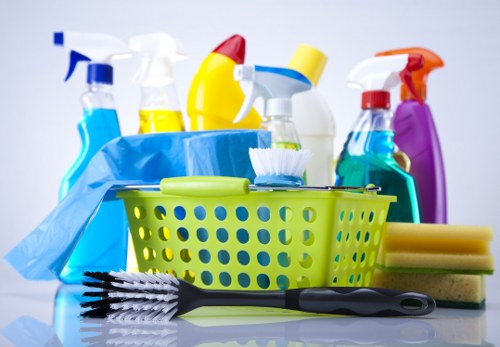
Office cleaning matters because it affects both appearance and health. A tidy office sends a strong message that the business is organized, detail-oriented, and respectful of employees and clients. On the other hand, dusty desks, stained carpets, and dirty restrooms can create a negative first impression and make a workplace feel neglected. In competitive industries, the state of the office can influence how people perceive the company before a single word is spoken.
Cleanliness also contributes to better employee wellness. Shared desks, keyboards, door handles, conference tables, and breakroom surfaces can quickly accumulate germs. Regular office cleaning helps lower the spread of bacteria and viruses, which can reduce sick days and support a healthier workforce. This is especially important in high-traffic environments where many people interact with the same surfaces throughout the day.
Another major reason office cleaning matters is productivity. Clutter and dirt are distracting. Employees often work more comfortably in neat spaces because they can find items more easily, concentrate better, and feel more motivated. A well-maintained office is not just visually appealing; it also supports the mental and physical conditions needed for effective work.
The Core Elements of Office Cleaning
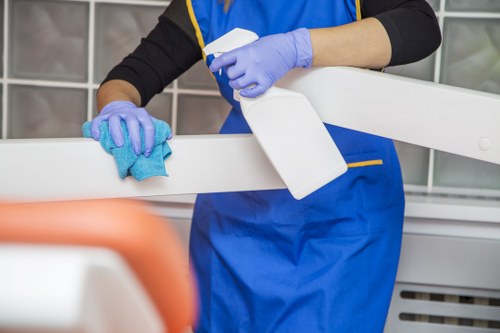
Office cleaning typically includes a mix of daily, weekly, and periodic tasks. The exact routine depends on the size of the workspace, the number of employees, the type of business, and how much foot traffic the office receives. Still, most cleaning plans include a similar set of essential responsibilities that keep the workplace functioning at a high standard.
Common office cleaning tasks include dusting surfaces, vacuuming carpets, mopping hard floors, sanitizing restrooms, cleaning glass, wiping down desks, disinfecting common touchpoints, and removing trash. In many workplaces, kitchen areas and break rooms require extra attention because they are frequently used and can quickly become sources of odors, crumbs, and bacteria. Office cleaning also often includes replenishing supplies such as soap, paper towels, and toilet tissue.
Some organizations also need specialized services. These may include carpet shampooing, upholstery cleaning, floor polishing, and deep cleaning of electronic equipment areas. Professional office cleaning can also extend to cleaning blinds, air vents, light fixtures, and other less visible surfaces where dust tends to build up over time.
Daily Cleaning Tasks That Keep Offices Presentable
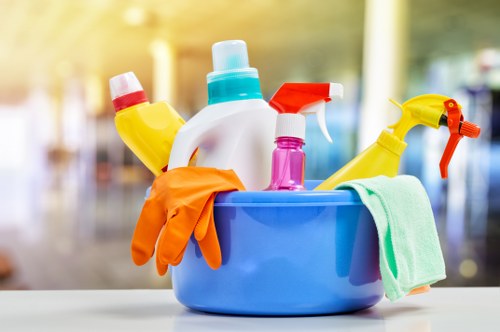
Daily office cleaning helps maintain order and prevents messes from accumulating. Even in offices that do not require heavy-duty cleaning every day, basic maintenance tasks keep the workplace looking fresh and professional. These tasks usually focus on high-traffic and high-touch areas that are used continuously throughout the day.
A typical daily office cleaning routine may include emptying trash bins, wiping desks and meeting tables, disinfecting door handles, cleaning kitchen counters, and vacuuming visible debris. Restrooms often require daily sanitizing because they are among the most important areas for hygiene. Reception areas also need attention since they are one of the first places visitors see when entering the building.
It is also useful to clean shared equipment regularly. Printers, copiers, coffee machines, and touchscreen devices can collect dust and fingerprints quickly. Daily upkeep does not have to be overwhelming; it simply needs to be consistent. When businesses stay on top of these routine tasks, the entire office cleaning process becomes easier and more efficient.
High-touch surfaces that should never be ignored
- Door handles and push plates
- Light switches and thermostat controls
- Elevator buttons and railings
- Conference tables and shared chairs
- Keyboards, mice, and phones
- Kitchen appliance handles and faucet taps
Weekly and Monthly Office Cleaning Priorities
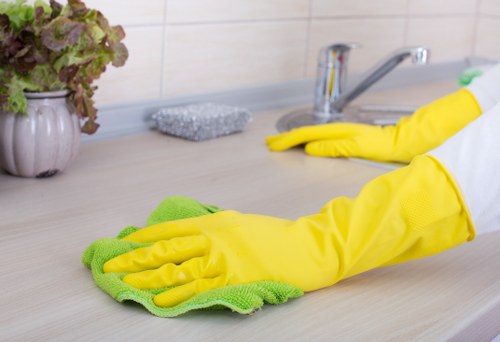
While daily maintenance handles immediate messes, weekly and monthly office cleaning tasks take care of buildup that is less visible but still important. These deeper tasks support a more thorough level of cleanliness and help extend the life of flooring, furniture, and fixtures.
Weekly office cleaning often includes more detailed dusting, sanitizing workstations, mopping hard floors, cleaning interior glass, and vacuuming under desks and furniture. Break rooms may need the refrigerator wiped down, microwaves cleaned, and sinks scrubbed to remove residue. Restrooms should receive a deeper clean to ensure they remain sanitary and pleasant for staff and visitors.
Monthly tasks often address areas that are easy to overlook. These can include dusting vents, cleaning baseboards, washing windows, spot-treating carpets, and polishing furniture. In many offices, a monthly schedule also includes checking supply inventories and inspecting areas that may need extra attention. Regular office cleaning at this level can prevent long-term wear and keep the workplace looking consistently well cared for.
Examples of periodic office cleaning tasks
- Deep sanitizing conference rooms and shared spaces
- Cleaning behind office furniture and appliances
- Removing dust from blinds, vents, and ceiling corners
- Shampooing carpets or steam-cleaning rugs
- Detail cleaning around sinks, drains, and restroom fixtures
How Office Cleaning Supports Health and Safety
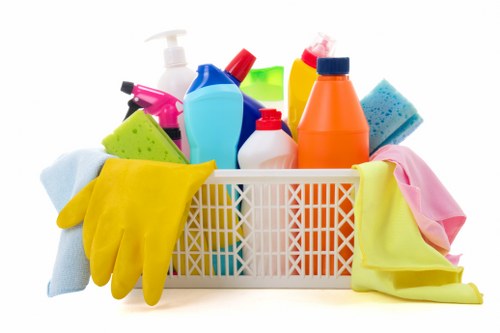
Health and safety are two of the strongest reasons businesses invest in office cleaning. Offices can easily become places where germs spread through shared surfaces and crowded meeting rooms. Regular cleaning and disinfection reduce the presence of harmful microbes and create a safer environment for everyone. This is especially relevant during cold and flu season, but it matters throughout the year.
Good office cleaning also helps reduce allergens. Dust, pollen, and mold can accumulate in carpets, air vents, and upholstery. For employees with allergies or respiratory sensitivities, these irritants can affect comfort and concentration. Clean surfaces and well-maintained air pathways contribute to improved indoor air quality, which can make the office feel fresher and healthier overall.
Safety benefits are another important part of the picture. Spills, clutter, and debris can create slip-and-trip hazards. Timely office cleaning reduces these risks by keeping pathways clear and floors clean. This is especially valuable in offices with frequent visitors, shipping activity, or shared kitchen and storage spaces. A cleaner workplace is often a safer workplace.
Safe office cleaning practices should include:
- Using the right products for each surface
- Following label instructions and dilution ratios
- Storing chemicals properly
- Cleaning wet floors quickly to prevent slips
- Wearing protective equipment when necessary
Office Cleaning and Employee Productivity
Productivity and office cleaning are closely connected. People generally work better in clean, organized environments because they spend less time dealing with distractions and more time focusing on the task at hand. A messy office can create mental friction, while a clean one tends to support clarity, calm, and efficiency.
Employees often feel more valued when their workplace is maintained properly. A clean office signals that management cares about comfort, professionalism, and operational standards. That positive perception can improve morale and make people more likely to respect shared areas and workplace policies. In this sense, office cleaning contributes to company culture as well as physical cleanliness.
There is also a practical side to productivity. When offices are organized, supplies are easier to locate, meeting rooms are ready for use, and common spaces stay functional. The time saved may seem small at first, but it adds up across teams and weeks. For businesses that want to support performance, office cleaning is a smart operational habit rather than a cosmetic extra.
Ways a clean office improves daily performance
- Reduces visual clutter and mental fatigue
- Makes shared resources easier to find
- Creates a more comfortable workspace
- Supports punctual meetings and smoother workflow
- Encourages better workplace habits
Choosing the Right Office Cleaning Approach
Every workplace has unique needs, so office cleaning should be customized rather than treated as a one-size-fits-all routine. A small administrative office may only need light daily upkeep and occasional deep cleaning, while a busy corporate environment may require a more detailed schedule with frequent sanitizing and restroom maintenance. The best approach depends on foot traffic, office layout, and the type of work being done.
Some businesses rely on in-house staff for basic tidying and hire outside professionals for specialized cleaning. Others prefer a commercial cleaning service that handles both everyday maintenance and deeper tasks. The right choice often comes down to budget, size, and the level of detail needed. What matters most is consistency. Office cleaning works best when it is planned, measured, and adjusted as the office changes.
When deciding on an office cleaning approach, businesses should think about what areas need the most attention, what times cleaning can occur without disrupting employees, and which tasks require trained professionals. A clear cleaning plan helps prevent confusion and ensures important areas are never missed.
Questions to ask before setting up office cleaning
- How many people use the space each day?
- Which areas receive the most traffic?
- Are there industry-specific hygiene requirements?
- Which tasks should be daily versus weekly?
- Is deep cleaning needed on a regular schedule?
What to Look for in a Professional Office Cleaning Service
If a business chooses to outsource office cleaning, selecting the right provider is important. Not all cleaning services offer the same level of detail or flexibility. A strong provider should understand how to clean office spaces without disrupting work, damaging equipment, or overlooking high-traffic zones.
Experience is one of the first things to consider. A company with office cleaning expertise will know how to handle workstations, restrooms, kitchens, reception areas, and meeting rooms efficiently. It should also use appropriate cleaning products and methods for different surfaces, including glass, carpeting, tile, laminate, and office furniture. Reliability and consistency are equally important because an office must be cleaned on schedule to stay presentable.
Communication matters too. A good office cleaning provider should be able to follow instructions, adapt to special requests, and respond to changing needs. Whether the space needs evening cleaning, early-morning service, or periodic deep cleaning, flexibility can make a huge difference. The goal is not simply to clean the office, but to support how the office operates.
Signs of a reliable office cleaning provider
- Clear service plans and task lists
- Use of safe and effective cleaning products
- Consistent scheduling and dependable performance
- Attention to restrooms, kitchens, and shared spaces
- Ability to scale services as the business grows
Office Cleaning for Different Types of Workplaces
Office cleaning is not limited to traditional corporate buildings. Many kinds of workplaces need customized cleaning routines based on how they are used. A legal office, for example, may require quiet after-hours cleaning and extra attention to client-facing areas. A coworking space may need frequent sanitizing because many people share desks, lounges, and conference rooms. A medical or financial office may require higher standards of cleanliness to support trust and compliance expectations.
Startups and small businesses often operate in compact spaces where every surface matters. In these settings, office cleaning can make the entire workplace feel more open and controlled. Larger companies may need more structured cleaning plans with multiple zones and specialized task assignments. In all cases, the objective remains the same: maintain a space that supports work, reflects professionalism, and feels comfortable to occupy.
Industry-specific considerations also influence office cleaning schedules. For example, offices that host frequent client meetings may need more attention in reception areas and boardrooms, while back-office workspaces may need a focus on dust control and equipment cleaning. Tailored office cleaning ensures that no part of the workplace is over- or under-served.
Practical Tips to Improve Office Cleanliness Every Day
Even with a professional cleaning plan, employees play a role in keeping the office tidy. Simple habits can make office cleaning easier and help the workplace stay in better condition between scheduled cleanings. These habits do not require much effort, but they create meaningful results over time.
Encouraging employees to clean up after themselves, store items properly, and respect shared spaces can reduce clutter and improve overall hygiene. Clear labeling, storage systems, and designated zones for supplies also make it easier to keep the office organized. In many cases, the best office cleaning results come from combining professional cleaning with everyday responsibility.
Businesses can also improve cleanliness by making small environmental changes. Providing enough trash bins, using entrance mats, maintaining proper ventilation, and setting up cleaning stations all support a cleaner office. These practical improvements help prevent messes before they start and make ongoing maintenance more manageable.
Easy habits that support office cleaning
- Clear desks at the end of each day
- Dispose of food waste promptly
- Wipe spills immediately
- Keep shared kitchen items organized
- Return office supplies to their proper place
The Long-Term Value of Consistent Office Cleaning
Consistent office cleaning delivers value that goes far beyond surface appearance. Over time, it helps preserve carpets, floors, furniture, and fixtures by preventing grime buildup and reducing wear. This can lower replacement and maintenance costs, which makes cleanliness a smart financial decision as well as a practical one.
It also supports a better brand image. Clients, partners, and job candidates notice when an office is well maintained. A clean environment communicates competence, care, and professionalism. In many industries, that impression can influence trust and decision-making. When visitors walk into a polished workspace, they are more likely to assume the company pays attention to quality in other areas too.
Perhaps most importantly, office cleaning helps create a workplace where people want to be. Clean, organized offices feel more respectful and less stressful. Employees tend to appreciate the difference, even if they do not always mention it. For businesses looking to strengthen workplace standards, professional office cleaning is one of the most dependable ways to make a lasting improvement.
Contact us today to keep your workplace cleaner, healthier, and ready for success. Book your service now and make office cleaning a consistent advantage for your business.