House Cleaning in Modern Homes: Practical Tips, Smart Routines, and Better Results
House cleaning is one of those tasks that never truly disappears, but it can become much easier when you approach it with the right plan. Whether you are trying to keep a busy family home tidy, maintain a rental property, or simply enjoy a fresher living space, effective house cleaning makes a measurable difference. It improves comfort, supports healthier indoor air, and helps surfaces, flooring, and fixtures last longer. For many households, house cleaning is not just about appearance; it is about creating a more organized and peaceful environment.
Today, people want house cleaning methods that are efficient, affordable, and realistic. That means using the right products, cleaning in the proper order, and building habits that reduce stress rather than add to it. A thoughtful house cleaning routine can transform chores from overwhelming to manageable. It can also save time in the long run because regular upkeep prevents dirt buildup, stains, and deeper messes from getting out of control. When cleaning becomes structured, the whole home feels easier to manage.
In this article, you will find practical strategies for every major area of the home, plus ideas for scheduling, supplies, and seasonal maintenance. You will also learn how to make house cleaning more efficient while still keeping your living space hygienic and inviting. If your goal is a cleaner home without constant frustration, the right approach can help you get there. Small improvements in routine often lead to big results over time.
Why House Cleaning Matters More Than Many People Realize
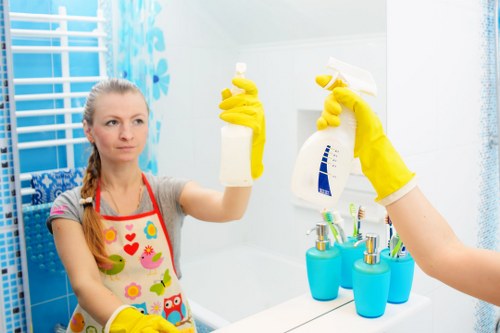
House cleaning does more than remove visible dust. It supports a healthier environment by reducing allergens, germs, and grime that can affect daily comfort. Kitchens, bathrooms, and high-touch areas can collect bacteria quickly, especially in homes with children, pets, or frequent visitors. Regular house cleaning helps reduce these risks and keeps your home more sanitary. It also improves the overall atmosphere, making rooms feel brighter, fresher, and more welcoming.
Another major benefit of house cleaning is preservation. Floors, countertops, cabinetry, upholstery, and appliances all last longer when they are maintained correctly. Dirt and residue can wear down finishes, dull surfaces, and cause damage over time. A consistent house cleaning routine protects your investment in your home’s interior. Preventive care is usually easier and less expensive than major restoration later.
House cleaning also affects mental well-being. Many people feel more focused and relaxed in a tidy space, while clutter and mess can increase stress. A cleaner home can make everyday routines smoother, from morning preparation to evening relaxation. Whether you are doing quick daily tasks or a deeper weekend reset, house cleaning can create a sense of control that supports a calmer lifestyle.
Building a House Cleaning Routine That Actually Works
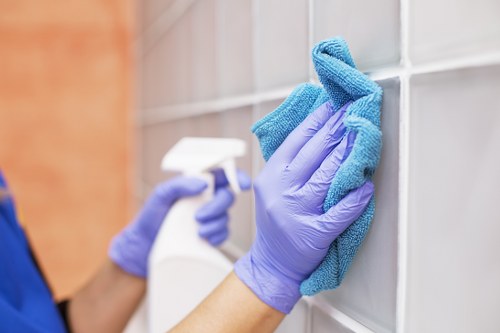
The best house cleaning routine is one you can maintain consistently. A good starting point is to divide tasks into daily, weekly, monthly, and seasonal categories. Daily tasks keep visible messes under control, weekly tasks handle deeper maintenance, and monthly or seasonal tasks address hidden buildup. This structure prevents house cleaning from becoming a huge, exhausting project.
Daily house cleaning usually includes light tasks such as wiping counters, washing dishes, making beds, and putting items back in place. These small actions take little time but make the home easier to manage. Weekly house cleaning may include vacuuming, mopping, cleaning bathrooms, dusting shelves, and changing bed linens. These tasks are the foundation of a cleaner, healthier home.
For many households, assigning zones is helpful. For example, you may focus on the kitchen and bathrooms one day, then bedrooms and living areas another day. This approach spreads out the effort and prevents burnout. Consistency matters more than perfection. A flexible house cleaning schedule can adapt to work, family life, and changing priorities without losing effectiveness.
Essential Supplies for Efficient House Cleaning
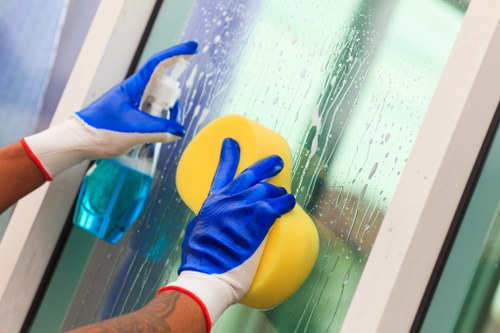
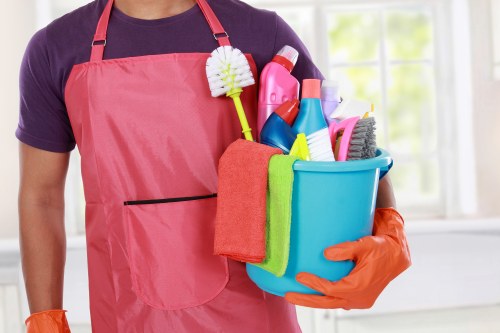
Having the right tools makes house cleaning faster and more effective. Basic essentials usually include microfiber cloths, a vacuum cleaner, a mop, an all-purpose cleaner, glass cleaner, disinfecting wipes, sponges, scrub brushes, and trash bags. These items cover most common cleaning needs and help you work more efficiently. If your home has special surfaces, you may also need wood-safe, stone-safe, or stainless-steel-safe products.
Microfiber cloths are especially valuable because they trap dust better than paper towels and can be reused many times. A good vacuum with attachments helps clean carpets, upholstery, corners, and baseboards. For house cleaning in bathrooms and kitchens, disinfecting products are useful for high-touch surfaces like faucets, handles, and switches. Choosing products that suit your space can reduce damage and improve results.
It is also wise to keep a cleaning caddy or basket stocked with the items you use most often. This saves time and reduces the chance of forgetting important supplies. An organized cleaning kit supports an organized cleaning routine. If you are trying to streamline house cleaning, simplicity often works best. The fewer steps it takes to start, the more likely you are to stay consistent.
Room-by-Room House Cleaning Strategies
Different rooms need different cleaning methods, and understanding those differences can improve your results. A room-by-room approach makes house cleaning more systematic and less overwhelming. Instead of cleaning randomly, you can focus on the surfaces and materials that matter most in each area. This helps prevent wasted effort and ensures that important spots do not get overlooked.
Kitchen Cleaning
The kitchen often requires the most frequent attention because it handles food, grease, and daily traffic. House cleaning in the kitchen should include wiping counters, sanitizing sink areas, cleaning appliance exteriors, sweeping crumbs, and emptying the trash. The stovetop, microwave, and refrigerator handles are especially important because they collect residue and germs quickly.
For deeper cleaning, move small appliances, clean cabinet fronts, and check for spills under and behind equipment. If you cook often, a regular kitchen house cleaning schedule will prevent grease from building up and make each cleaning session faster. Clean surfaces in the kitchen are essential for both appearance and hygiene.
Bathroom Cleaning
Bathroom house cleaning requires attention to moisture, soap scum, and bacteria-prone surfaces. Start with sinks, mirrors, counters, toilets, tubs, and showers. Remove buildup from faucets and tile, and pay attention to grout lines where dirt can accumulate. Regular bathroom cleaning helps prevent odors and keeps the room feeling fresh.
Ventilation is also important. Running a fan or opening a window can help reduce humidity, which limits mold and mildew growth. Cleaning bathroom floors and wiping down high-touch surfaces such as light switches and door handles should be part of your routine. For households with multiple bathrooms, a rotating schedule can make the work more manageable.
Bedrooms, living rooms, and hallways benefit from a lighter but still consistent cleaning approach. Dusting furniture, vacuuming carpets, straightening décor, and changing linens all help maintain comfort. House cleaning in these areas is often about preserving order and reducing allergens. Small, regular effort keeps shared spaces more pleasant every day.
Living Area and Bedroom Care
In living spaces, focus on dust control and clutter management. Electronics, shelves, coffee tables, and baseboards can gather dust quickly. Use a microfiber cloth to clean delicate surfaces and a vacuum attachment for fabric furniture. If you have pets, house cleaning in these spaces may also involve removing hair from couches, rugs, and corners where fur tends to settle.
Bedrooms should feel restful, so keep laundry, papers, and miscellaneous items under control. Changing sheets regularly, vacuuming under the bed, and dusting hard-to-reach spots can improve both cleanliness and sleep comfort. If you want a room to feel instantly fresher, open the windows when possible and let in air circulation. A cleaner bedroom often supports a better nighttime routine.
Hallways and entry areas matter too because they create the first impression of the home. Shoes, bags, coats, and outdoor debris often collect there. House cleaning in these zones should include sweeping or vacuuming, wiping door surfaces, and organizing storage areas. These areas may seem small, but they strongly influence how clean the entire home feels.
Deep House Cleaning: When and Why It Is Needed
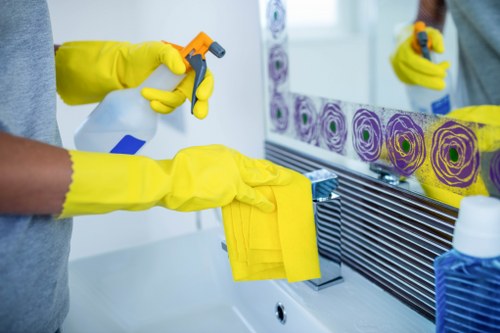
Deep house cleaning goes beyond routine upkeep. It targets areas that are easy to forget, such as behind furniture, under appliances, inside cabinets, and along trim. This type of cleaning is useful before hosting events, after seasons change, before moving in or out, or whenever the home begins to feel neglected. Deep house cleaning helps reset your space and restore a higher level of cleanliness.
A deep cleaning plan might include scrubbing grout, washing baseboards, cleaning vents, dusting ceiling fans, and sanitizing forgotten surfaces. In the kitchen, this could mean cleaning inside the refrigerator, wiping down cabinet interiors, and degreasing difficult spots. In bathrooms, deep cleaning may involve removing soap buildup from shower doors or treating stains in tubs and sinks. These details make a noticeable difference in how polished the home looks and feels.
It is not necessary to deep clean every room all at once. Breaking the work into sections makes it more realistic. You might focus on one area each week or each month, depending on your schedule. Deep house cleaning is most effective when paired with steady routine maintenance. That way, dirt does not have a chance to become overwhelming between sessions.
Common House Cleaning Mistakes to Avoid
Even with good intentions, many people make mistakes that reduce cleaning efficiency. One of the most common is using too much product. More cleaner does not always mean better results, and excess residue can leave streaks or attract dust. Another mistake is cleaning in the wrong order. For example, dusting after vacuuming means you may need to clean the floor again.
It is also easy to overlook hidden areas such as under furniture, behind toilet bases, around faucets, and along window tracks. These places may not be visible at first glance, but they contribute to overall cleanliness. House cleaning should be thorough enough to prevent buildup, even if you are short on time. A quick scan of corners, edges, and touch points can improve the result significantly.
Using the wrong product on a surface can also cause problems. Stone, wood, glass, stainless steel, and fabric often need different care. Always check labels when possible and test new products on a small area if you are unsure. Good house cleaning is as much about technique as it is about effort.
Time-Saving House Cleaning Tips for Busy Schedules
Busy households need house cleaning methods that fit real life. One of the easiest ways to save time is to clean while you move through your day. Wipe the counter after cooking, put items away immediately after use, and deal with small spills as soon as they happen. These micro-habits reduce the amount of work required later.
Another useful strategy is to set a timer. Working in short bursts can make house cleaning feel less tiring and more focused. For example, 15 minutes of concentrated effort in one room can produce visible progress. This can be especially helpful on weekdays when time is limited. If you struggle with motivation, music or a podcast can make the process feel easier.
Delegating tasks can also improve consistency. If several people live in the home, shared responsibility makes house cleaning more manageable. Children can help with age-appropriate tasks like picking up toys, wiping surfaces, or sorting laundry. When everyone contributes, the workload becomes lighter for everyone.
Eco-Friendly House Cleaning Choices
Many homeowners are looking for greener ways to handle house cleaning. Eco-friendly options may include plant-based cleaners, reusable cloths, refillable containers, and fewer disposable products. These choices can reduce waste while still supporting a clean, comfortable home. For some surfaces, simple solutions like warm water and mild soap may be enough for everyday maintenance.
Reducing harsh chemical use can be helpful for households with pets, children, or sensitivities. Better ventilation, natural light, and routine dusting can also support a fresher indoor environment. Eco-conscious house cleaning does not mean sacrificing performance; it simply means selecting products and habits that work well with less environmental impact. Smarter product choices can support both cleanliness and sustainability.
If you are trying to simplify your routine, consider keeping only the essentials. This avoids clutter in your supply area and makes house cleaning easier to start. The goal is not to collect more products, but to use the right ones effectively. A minimal, organized setup can be surprisingly powerful.
Seasonal House Cleaning and Maintenance
Seasonal cleaning helps keep the home in good condition throughout the year. Spring is often the time for windows, fabrics, and deep decluttering. Summer may involve extra attention to entryways, mudrooms, and ventilation. Fall is a good season for preparing the home for colder weather, while winter often calls for more indoor dust control and touch-up cleaning.
Each season brings different household needs. For example, allergy season may require more vacuuming and dusting, while wet weather can increase dirt at the entrance. Seasonal house cleaning is also a great opportunity to inspect storage areas, sort out unused items, and clean spaces that are not part of the weekly routine. This type of maintenance keeps the home healthier and more organized year-round.
Creating a seasonal checklist can make the process easier. Focus on tasks such as washing curtains, rotating bedding, cleaning ceiling fans, checking vents, and organizing closets. These tasks may not be urgent every day, but they help preserve the overall condition of the home. With seasonal house cleaning, you stay ahead of larger messes instead of reacting to them later.
When Professional House Cleaning Makes Sense
Some homes need more than routine upkeep, and that is where professional house cleaning can be especially useful. A professional service may be a smart choice when you are moving, recovering from a busy period, preparing for guests, or dealing with deep buildup. It can also be helpful for households that want a more detailed reset without sacrificing personal time.
Professional house cleaning is not only about convenience. It can also provide access to efficient techniques, specialized tools, and methods for hard-to-clean areas. If your schedule is crowded or your home has challenging surfaces, expert help may save time and energy. Even so, regular maintenance at home remains valuable because it helps extend the effect of professional service. The best results often come from combining professional support with good daily habits.
If you are thinking about booking outside help, look for a service that fits your home’s needs and cleaning priorities. You may want deep cleaning, recurring maintenance, or specific room-focused support. Contact us today if you are ready to make house cleaning simpler and more effective for your household. Book your service now and enjoy a cleaner home with less stress.
Final Thoughts on House Cleaning That Lasts
House cleaning is most successful when it becomes part of a realistic routine rather than a last-minute emergency. A cleaner home supports health, comfort, and peace of mind, while also protecting the surfaces and furnishings you use every day. From kitchens and bathrooms to bedrooms and living rooms, each area benefits from regular attention and the right products. Simple habits can create lasting improvement.
The key is to stay consistent, avoid unnecessary complexity, and focus on the tasks that matter most. Whether you do your own cleaning or occasionally bring in extra help, a clear strategy makes all the difference. By organizing your work and keeping expectations practical, house cleaning becomes easier to manage and more rewarding over time. A cleaner home is not about perfection; it is about steady care.
Start with a few manageable changes, build momentum, and keep refining your routine. Over time, even a busy household can maintain a cleaner, calmer, and more inviting space. If you are ready to take the next step, contact us today or book your service now to make house cleaning a simpler part of your lifestyle.